Our products and services cater for all sectors within the economy (both public and private) by receiving waste that would otherwise end up at landfills or roadsides and transforming a significant part into repurposed inputs for other sectors.
We provide the Governmental agencies with that IMPETUS that translates their policies to tangible results.
Our client lists (in addition to government agencies) cover the Agriculture, Plastic Manufacturing, Forestry & Reforestation, Steel and Cement Smelting Industries as well as Mining communities for land resuscitation.
In so doing we have emerged as an irreplaceable/ indispensable stakeholder in driving ESG objectives within Ghana and making significant contributions the Zero Net Carbon emission goals (EA).
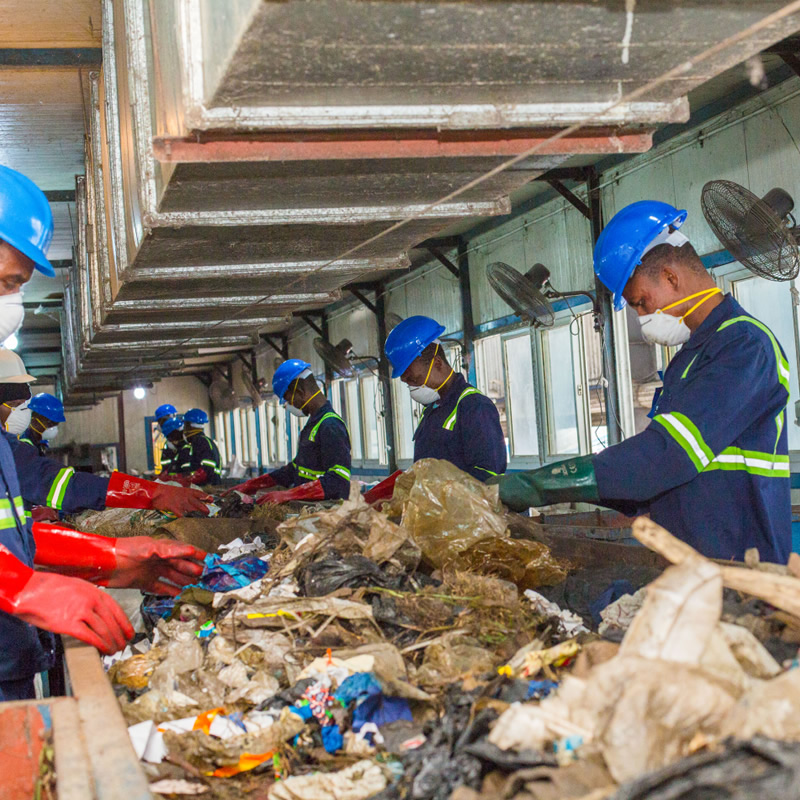
The organics are processed into organic compost for agronomic purposes. The plastics and metals are pre-processed and supplied as input materials for the plastics and steel manufacturing industries. The other recovered materials are exported to specialised factories for further processing/use.
We are also deeply committed to engaging with the local community to fostering awareness and lead the education on recycling and waste management.
The facility offers educational programs, tours, and workshops to schools, businesses, and community groups to promote environmental stewardship, waste reduction, and recycling best practices. The facility also collaborates with local organisations and stakeholders to develop sustainable waste management solutions and drive positive environmental change in the community.
The regional IRECOPs play a crucial role in environmental sustainability and offers numerous benefits to the community and the environment, including:
Resource Conservation: The facility recovers valuable resources from waste materials, conserving natural resources and reducing the demand for virgin raw materials. In conserving resources, we also preserve habitats, and help mitigate environmental degradation associated with resource extraction.
Waste Reduction: The facility diverts waste from landfills, reducing the environmental burden of waste disposal and extending the lifespan of landfills. Recycling reduces the amount of waste that goes into landfills, conserves space, and minimises the need for new landfill sites. This can help mitigate pollution, protect groundwater, and reduce the overall environmental impact of waste disposal.
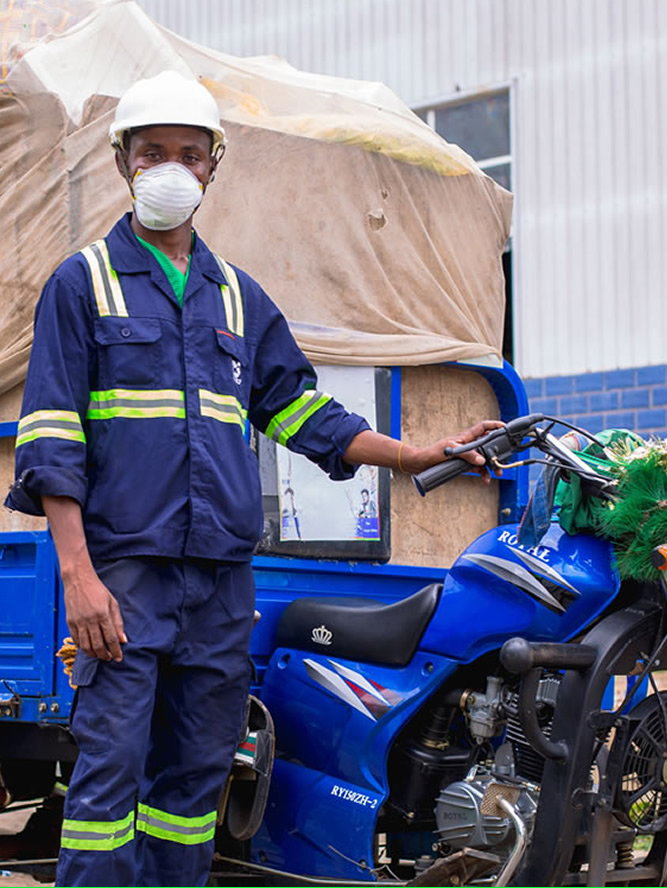
Economic Benefits: The facility creates employment opportunities in areas such as collection, sorting, processing of recovered materials, and supports the local economy by purchasing recovered materials from communities, organisations and individuals.
Environmental Protection: The facility reduces pollution, protects natural resources, and minimises the environmental impact associated with waste disposal.
Education and Awareness: The facility promotes environmental educationand awareness, empowering individuals and organisations to make informed choices about waste management and recycling.


 We are online